The “Hit Product” Curse
For Company M, a renowned golf equipment company, the 2018 launch of their new utility model product was a massive success. But in the world of manufacturing, popularity often invites piracy.
Less than a year after launch, the market was flooded with Chinese knock-offs. These weren’t just simple copies; the infringers were malicious and aggressive. They stole Company M’s official product photos, made false performance claims, and even used unauthorized photos of celebrities to promote the fakes.
The problem escalated when Korean consumers began buying these cheap counterfeits directly from Chinese platforms (via “direct purchase” or Jikgu), bypassing domestic regulations. Company M faced a dual threat: revenue loss and severe brand damage.

The Strategy: A Multi-Front War
Sarang IP, in coordination with our local Chinese partners, devised an immediate, “all-out war” strategy to shut down the infringers online and offline.
Phase 1: The Digital Strike (Taobao & Tmall)
To remove listings on Alibaba platforms (Taobao, Tmall), a simple patent certificate is often not enough.
- Copyright Tactic: We immediately registered the copyright for Company M’s official product photos in China. This allowed us to instantly take down listings using stolen imagery without waiting for complex patent arguments.
- Utility Model Evaluation: We obtained a “Utility Model Evaluation Report” (a positive assessment of validity). This is a critical document required by Chinese e-commerce platforms to prove the patent is stable and enforceable.
- Result: Armed with these documents, we filed aggressive complaints. Both Taobao and Tmall acknowledged the infringement and deleted the counterfeit listings.
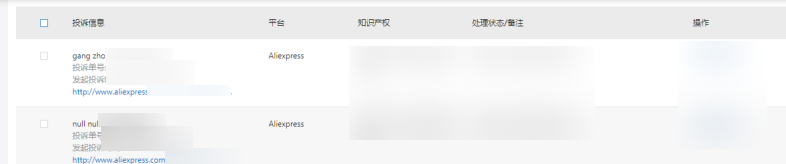
Alibaba IP complaint dashboard listing counterfeit AliExpress product pages reported for takedown 
Alibaba complaint record showing a Taobao counterfeit listing flagged, with the result highlighted 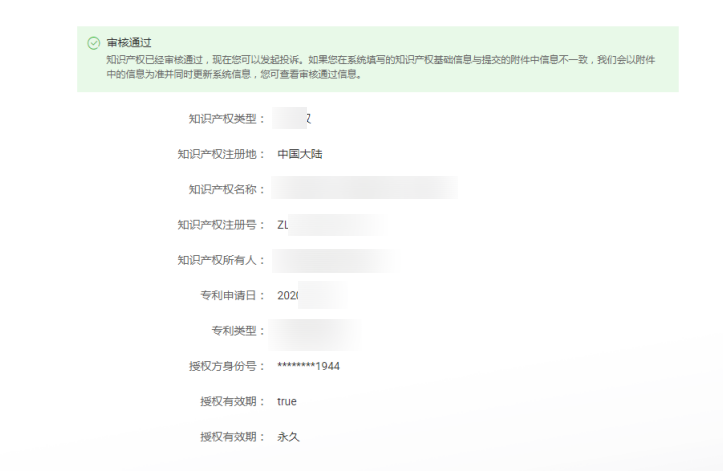
Alibaba platform screen approving the registered patent right used to file the counterfeit takedowns 
Patent claim chart comparing the registered patent’s features to the infringing product, found identical 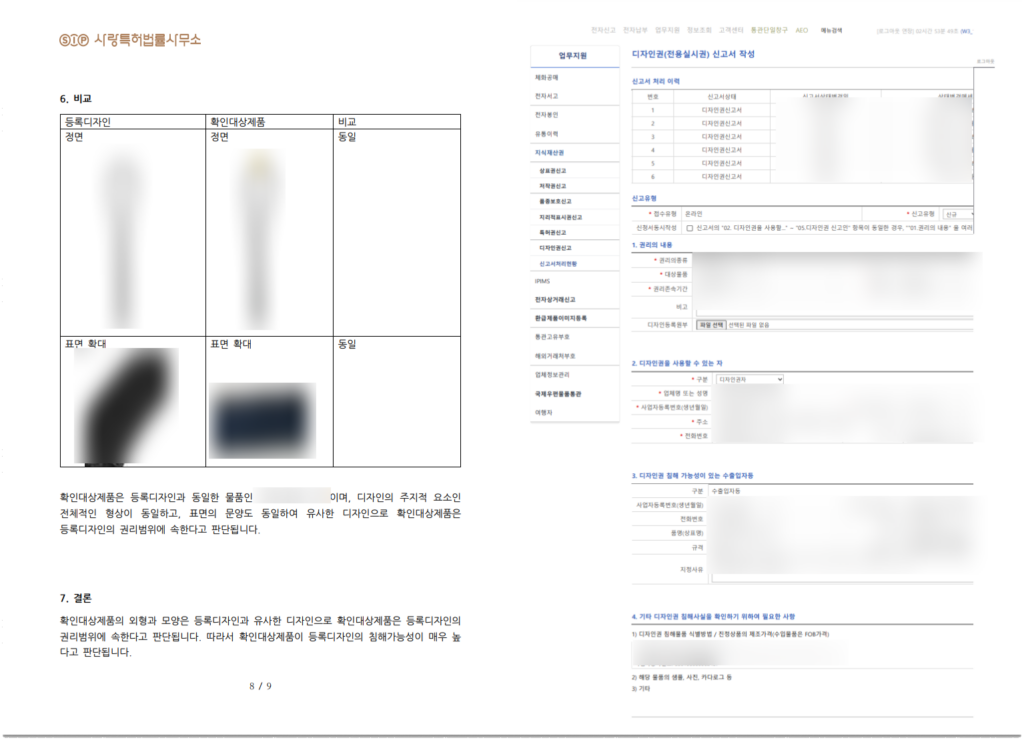
Sarang IP legal opinion comparing the registered design with photos of the infringing counterfeit product 
Attorney opinion table finding the counterfeit’s composition identical to the registered patent, signed and sealed 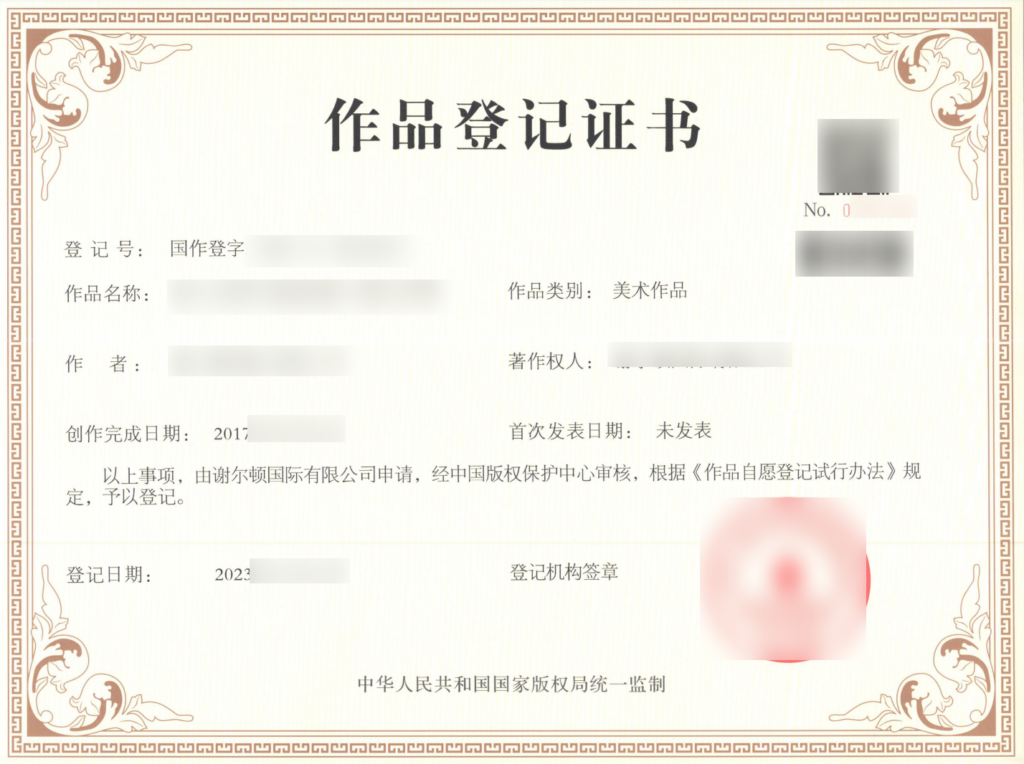
Chinese copyright registration certificate for the company’s official product photographs 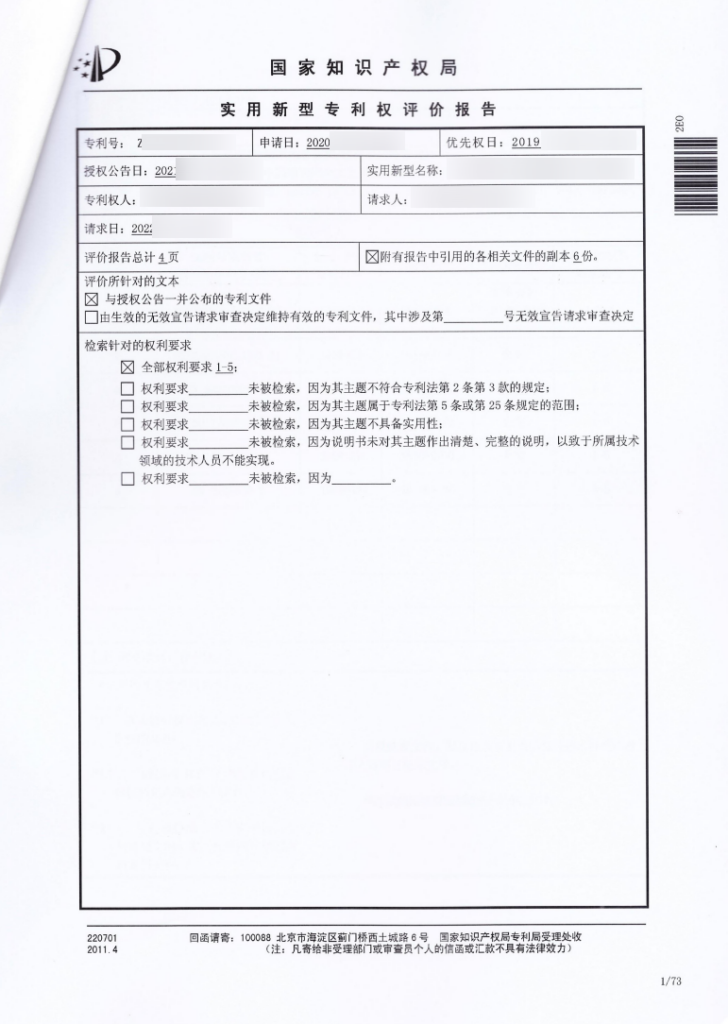
China National IP Administration Utility Model Patent Evaluation Report confirming the patent’s validity
Phase 2: The Border Blockade (Customs)
Deleting online listings is like whack-a-mole; we needed to stop the flow of physical goods.
- China Export Ban: We registered the trademarks and patents with Chinese Customs to stop the fakes from leaving China.
- Korea Import Ban: Simultaneously, we registered the IP rights with the Korea Customs Service. This created a double filter, empowering customs officers to seize the counterfeits as they entered Korea via direct purchase.

Korea Customs IP recordal notices confirming the registered design and patent rights to block imports 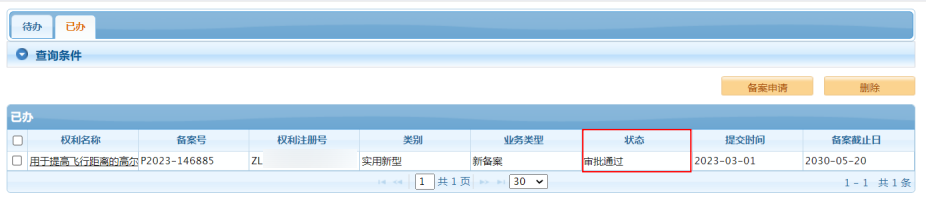
China Customs IP recordal record approving the utility model registration to block counterfeit exports
The Verdict: A Clean Sweep
By combining Intellectual Property (Patents/Trademarks) with Copyright Law and Customs Enforcement, we successfully dismantled the counterfeiting operation.
Company M regained control of its distribution channels, and the flood of cheap fakes into Korea was effectively dammed.
Conclusion
Fighting counterfeits in China requires more than just a patent registration. It requires a strategic mix of copyright leverage, platform-specific knowledge (Alibaba rules), and government cooperation (Customs).
Sarang IP specializes in protecting your brand value in vulnerable overseas markets through fast, practical, and effective enforcement.