The 70-Bus Academy Dilemma
Director Im runs a massive college entrance preparatory academy in Mok-dong, Seoul’s fiercest education district. The scale of his operation is immense, operating a fleet of over 70 shuttle buses. For a business this size, the brand name is its most valuable asset.
However, when he applied to register his academy’s name as a trademark, he hit a wall. The Ministry of Intellectual Property (MOIP; known as the Korean Intellectual Property Office, or KIPO, until October 2025) issued a Notice of Refusal citing Article 34(1)(7) of the Trademark Act.
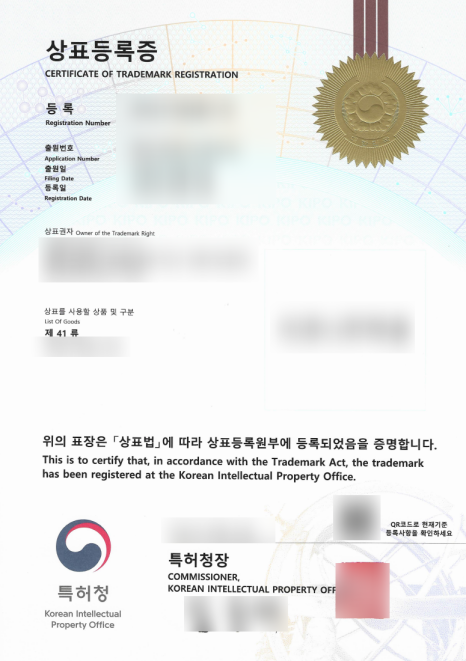
The reason? A similar trademark was already registered by a small “Art Academy” (Art School).
The Dead End: When Litigation Fails
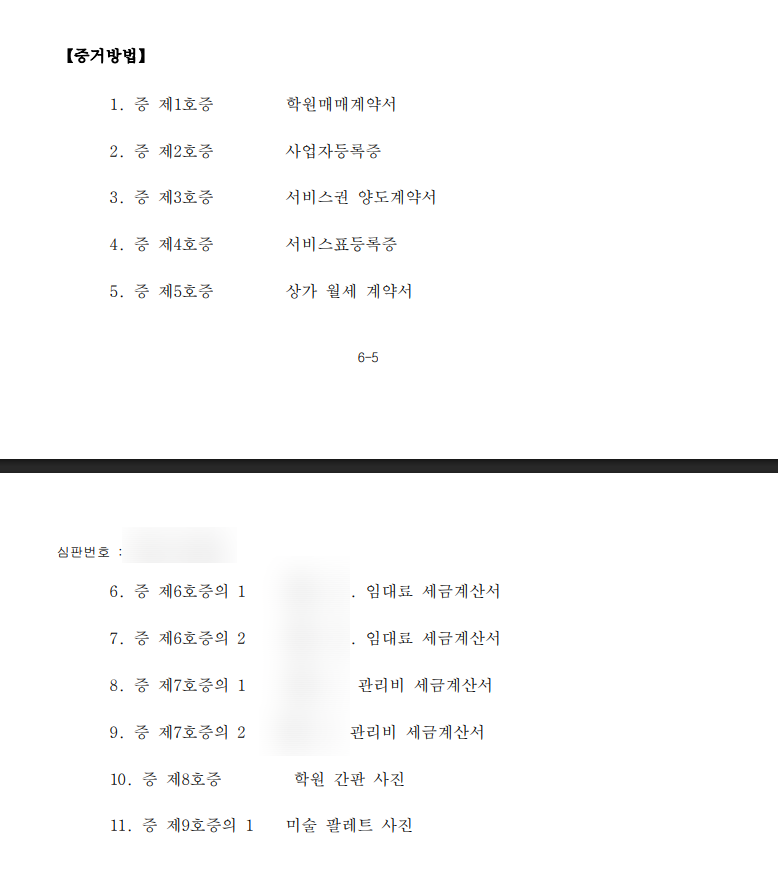
Our first instinct—and the standard legal procedure—was to file a “Non-Use Cancellation Trial” against the Art Academy. If we could prove they weren’t using the mark, we could cancel it and clear the path.
However, our investigation revealed a sinking reality: The Art Academy was active. They were legitimately using the trademark. Filing a cancellation trial would result in a guaranteed loss for our client and likely antagonize the other party.
Legal dead end as a non-use cancellation trial fails against an actively used rival academy trademark 
Applicant stuck between a MOIP refusal for similarity and a rival’s actively used registered mark 
Trademark refusal under Article 34(1)(7) citing a similar mark registered by a small art academy
We were stuck. The trademark office said “No” because of the similarity. The court would say “No” because the rival was active. Most firms would have advised giving up.
The Pivot: The “Assign-Back” Strategy
At Sarang IP, we believe that if the front door is locked, you check the side door. We realized that while the names were similar, the businesses were practically non-competitive. One was a massive exam prep center; the other was a local art studio.
Instead of fighting a losing war, we proposed a “Negotiation & Assignment” strategy. (Note: This case occurred before the 2024 “Letter of Consent” system was introduced, requiring a more complex procedural maneuver).
The Plan:
- Cease Fire: We immediately withdrew the Non-Use Cancellation Trial to show good faith and lower tensions.
- Temporary Merger of Rights: We proposed transferring Director Im’s pending application to the owner of the Art Academy.
- Why? In trademark law, you cannot be rejected for being similar to yourself. If the Art Academy owned both the registration and the application, the “similarity” objection would vanish, and the trademark would be registered.
- The Return: Once the trademark was registered, the Art Academy would assign the specific rights back to Director Im.
The Execution: The Art of Deal-Making
The legal mechanics were sound, but the human element was the challenge. We had to convince the Art Academy owner that we weren’t trying to destroy their business.
We facilitated the negotiation, explaining that Director Im’s business (Exam Prep) would not confuse consumers looking for an Art School. We assured them that this “Assign-Back” process was purely procedural to satisfy MOIP’s requirements.

Assign-back strategy transferring a pending application to the rival owner to erase the similarity objection 
Negotiating an amicable trademark assignment between two non-competing academy businesses in Korea
The Victory
The strategy worked perfectly.
- The Art Academy owner, relieved that we weren’t suing them, agreed to the cooperation.
- The trademark application was transferred, approved by MOIP (since the owner was now the same), and registered.
- The rights were immediately transferred back to Director Im.
Director Im secured the trademark for his massive academy without a single day in court.
Conclusion
“The supreme art of war is to subdue the enemy without fighting.”
In Intellectual Property, litigation is not the only tool. Sometimes, a well-structured contract and a handshake achieve what a lawsuit cannot. Whether through the new Consent System or complex assignment strategies, Sarang IP finds the path to “Yes.”