The Shock of “Brand Squatting”
Imagine building a brand for years, pouring your soul into its reputation, only to find that someone else has already registered your name in Korea. This practice, known as “Trademark Squatting,” is a major hurdle for businesses expanding into the Korean market.
However, a squatter’s registration is not invincible. If a trademark is filed in “bad faith” to piggyback on a well-known brand, it can be cancelled.
Sarang IP has a strong track record of correcting these injustices. Here are three distinct cases where we successfully used the “Trademark Invalidation Trial” to strip squatters of their rights and return them to the true owners.
Case 1: The Domestic Fashion Leader
The Situation: CEO Yoon ran a successful online clothing mall with a solid reputation in Korea. He discovered that a competitor (Person A) had registered a trademark nearly identical to his—not just for clothing (Class 25) but also for online retail services (Class 35).
The Strategy: Proving “Bad Faith” To invalidate the squatter’s mark, we had to prove two things: the fame of CEO Yoon’s brand and the malicious intent of Person A.
- Evidence of Fame: We compiled massive amounts of data: years of operation, sales figures, and media coverage to prove the brand was “well-known” among Korean consumers.
- Evidence of Intent: We demonstrated that Person A was aware of CEO Yoon’s business and filed the mark specifically to cause consumer confusion. We also pointed out that A registered the mark but never actually used it—a classic sign of squatting.
Side-by-side comparison of CEO Yoon’s fashion brand mark and Person A’s near-identical squatted trademark 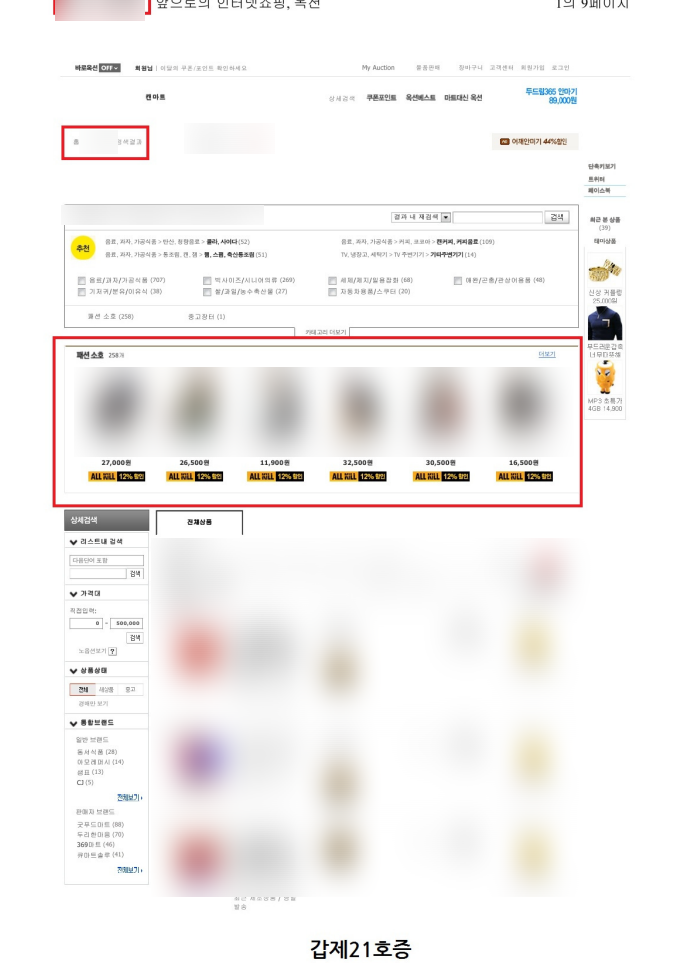
KIPRIS registration record of the bad-faith fashion trademark filed in clothing Class 25 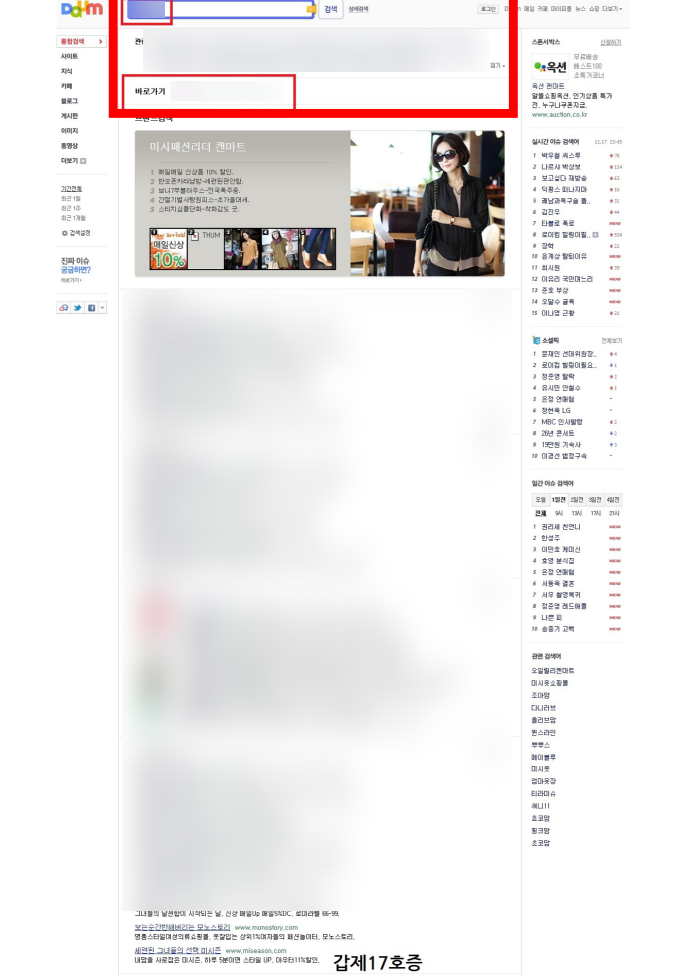
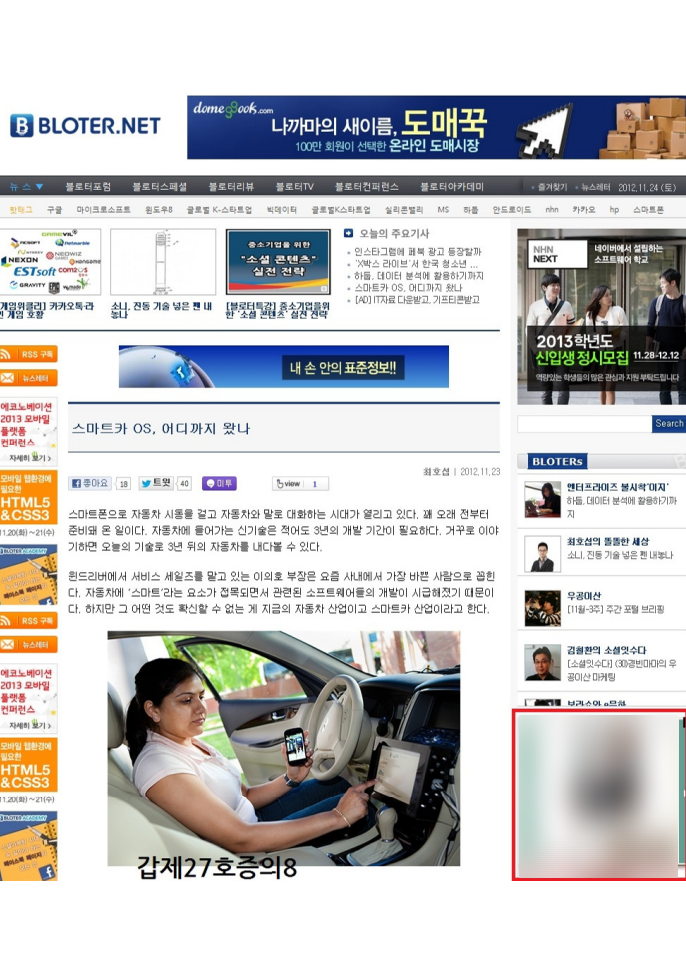
Evidence of the fashion brand’s fame among Korean consumers submitted to the tribunal 
Trademark record showing the squatted mark also covering online retail services in Class 35 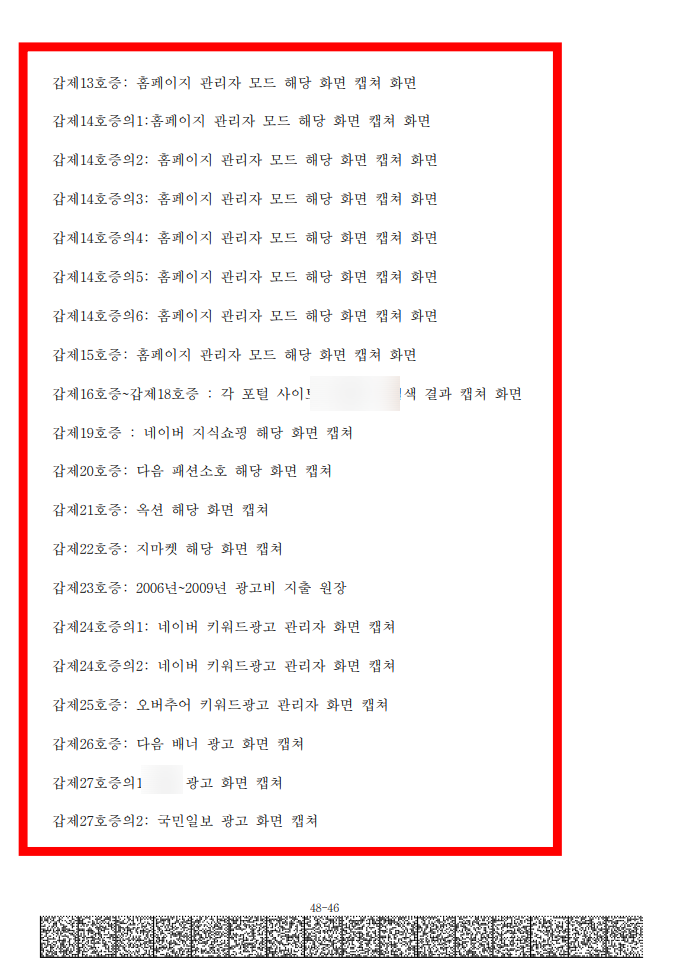
Korea IP Trial and Appeal Board invalidation trial decision in the fashion brand case 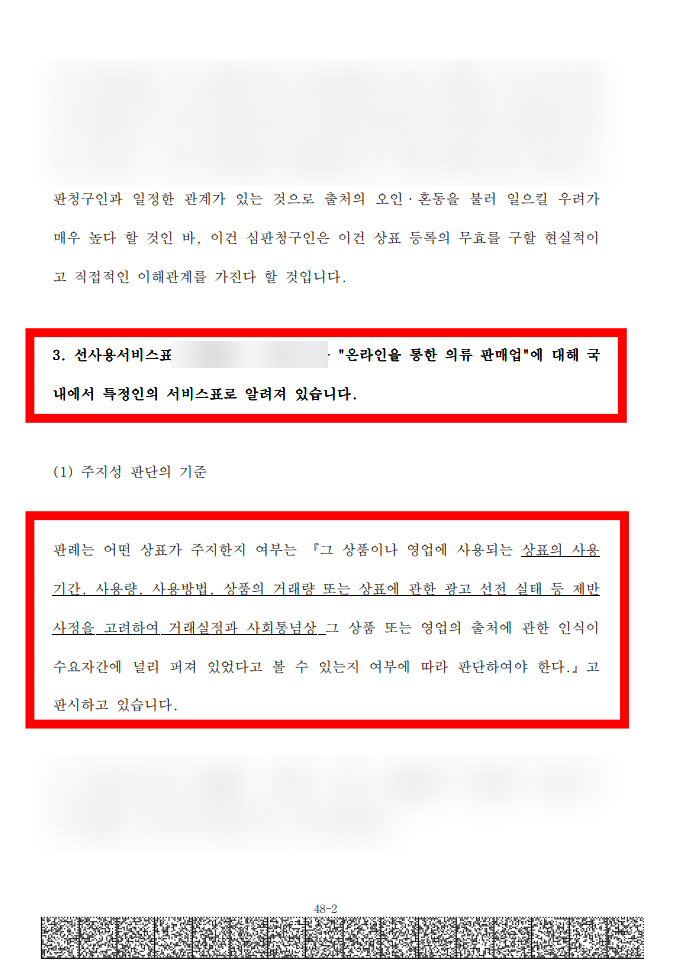
Tribunal ruling declaring the squatter’s fashion trademark registration invalid
The Result: The tribunal ruled the registration Invalid. CEO Yoon successfully reclaimed his brand rights.
Case 2: The Global Tech Giant & Domain Recovery
The Situation: Company B, a world-renowned Chinese search engine portal (often called the “Google of China”), found that a Korean individual had registered their brand name under the category of “Advertising Services.”
The Strategy: Connecting the Dots The squatter argued that “Search Services” and “Advertising” were different industries. We argued otherwise.
- Global Fame: We submitted evidence of Company B’s NASDAQ listing and global rankings to establish “World-Renowned Status.”
- The Business Logic: We argued that for a search engine, advertising is the primary revenue model. Therefore, the services are closely related (connected).
- Bad Faith: We cited precedents showing that squatting on a famous foreign mark for unfair profits is grounds for invalidation.
Comparison of the Chinese search portal’s brand and the Korean squatter’s advertising-services mark 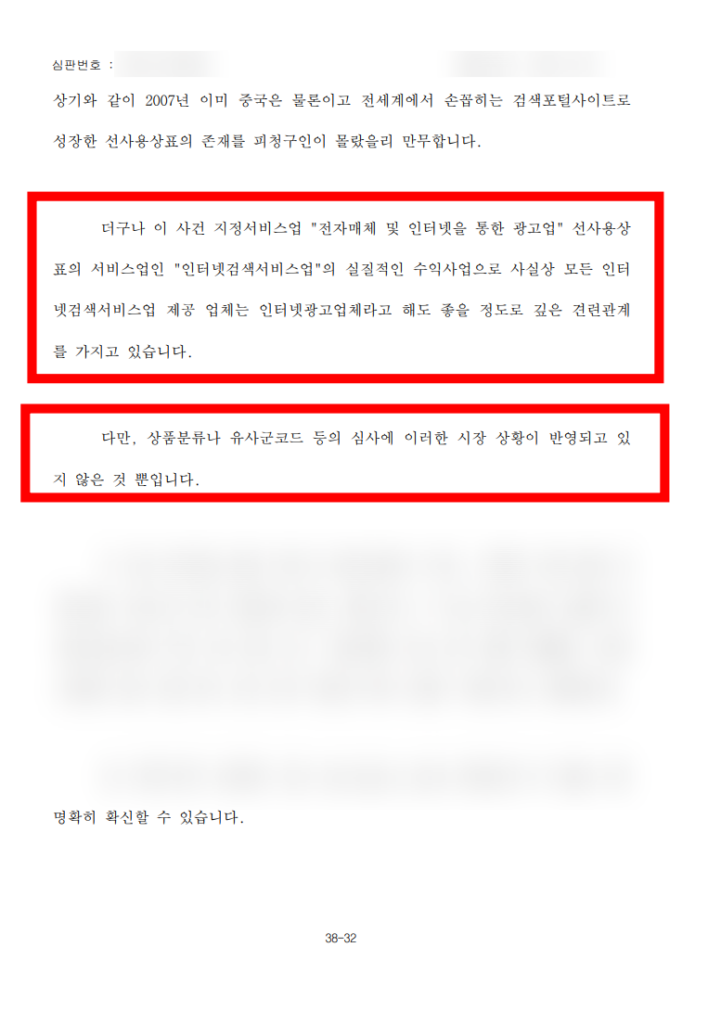
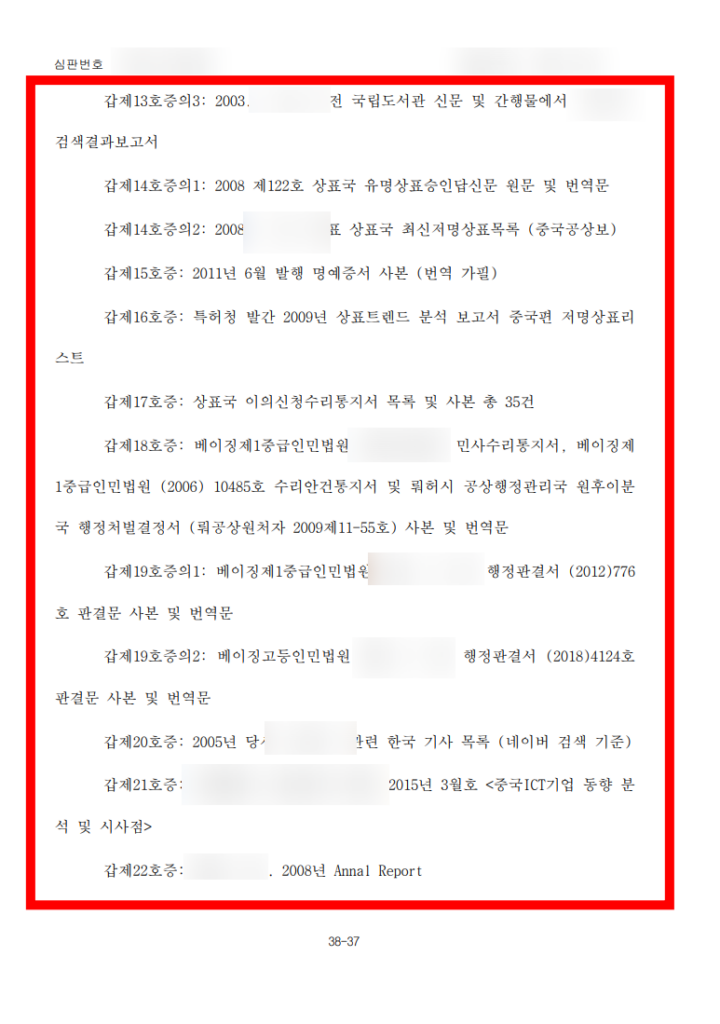
Evidence of the search giant’s NASDAQ listing and global rankings establishing world-renowned status 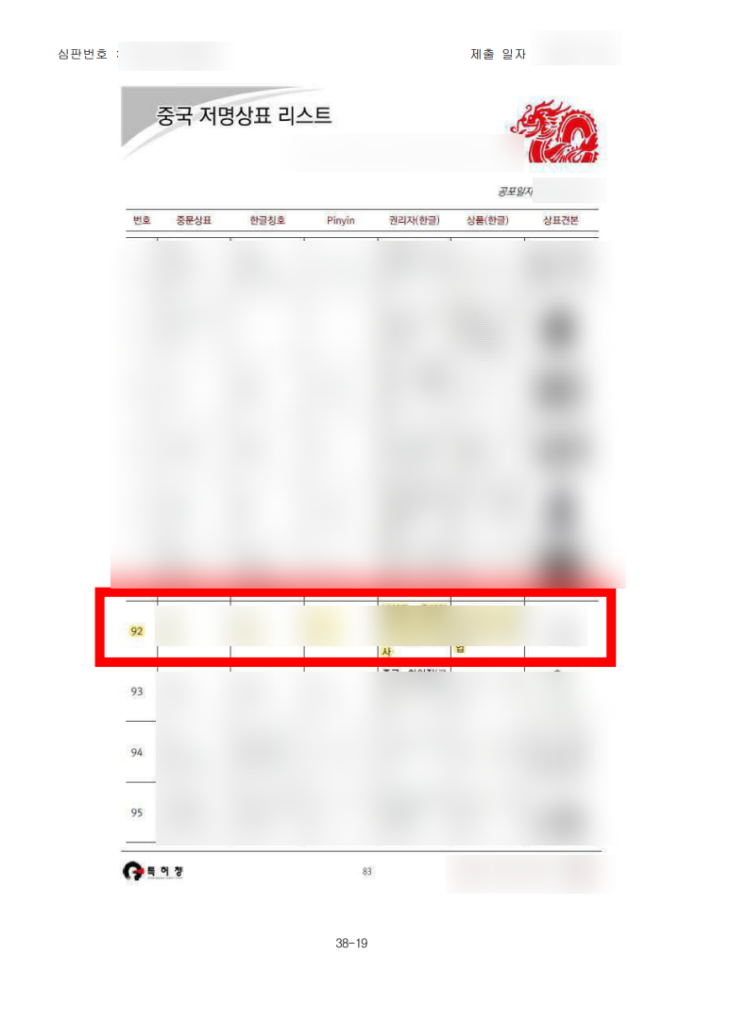
KIPRIS record of the squatted trademark registered under advertising services 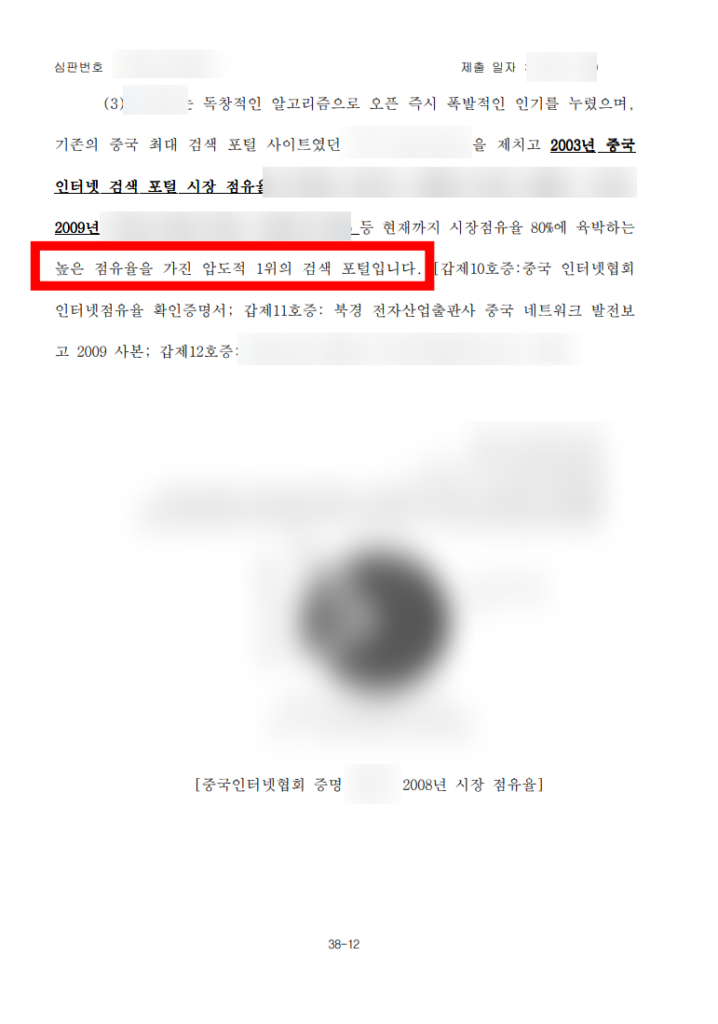
Korea IP Trial and Appeal Board decision invalidating the search portal trademark 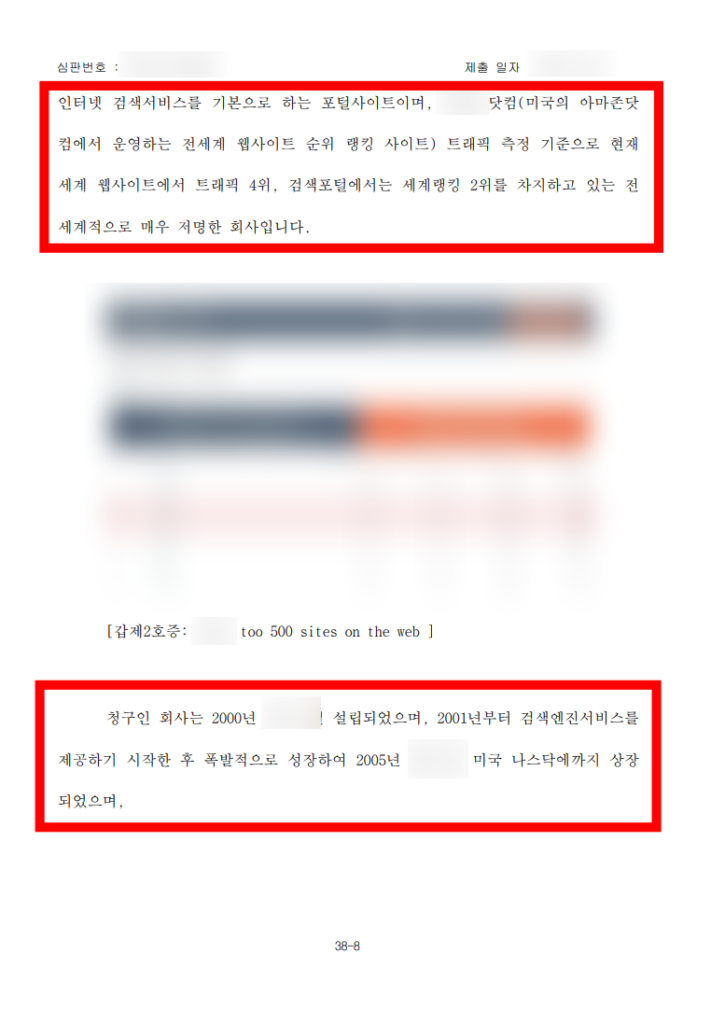
Patent Court judgment dismissing the squatter’s appeal in the trademark invalidation case 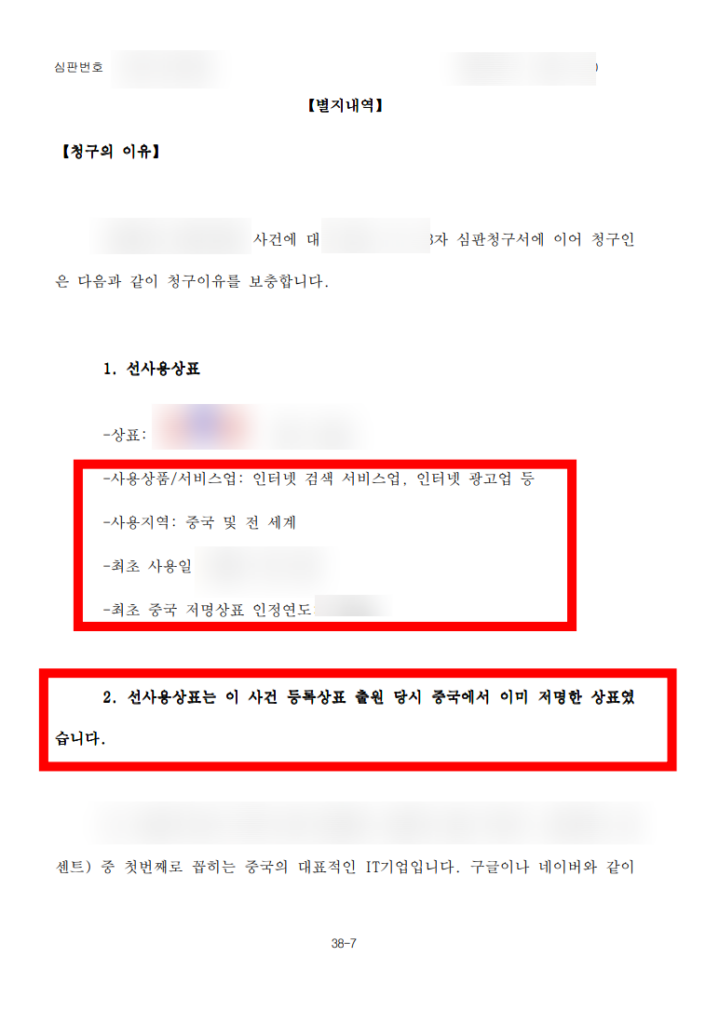
Internet address dispute decision recovering the hijacked.kr and.co.kr domain names
The Result:
- Trademark: We won the invalidation trial. The squatter appealed to the Patent Court, but we won there as well (Appeal Dismissed).
- Domain Names: The squatter had also hoarded
B.krandB.co.kr. Through a parallel Internet Address Dispute Resolution process, we successfully recovered these domain names for Company B.
Case 3: The Cross-Border Franchise
The Situation: CEO Ring founded a famous Lamb Skewer franchise in Yanbian, China, and successfully opened a branch in Korea. However, a third party (Person C) copied the brand and filed a trademark first, blocking CEO Ring’s expansion.
The Strategy: “Specific Consumer” Awareness The squatter claimed the brand wasn’t famous enough among the general Korean public.
- Targeted Fame: We argued that a brand doesn’t need to be known by everyone. It only needs to be known by specific consumers (in this case, Chinese expatriates and Korean locals who enjoy authentic Chinese cuisine).
- Free-Riding: We proved Person C was attempting to “free-ride” on the established reputation of CEO Ring’s franchise to make unfair profits.
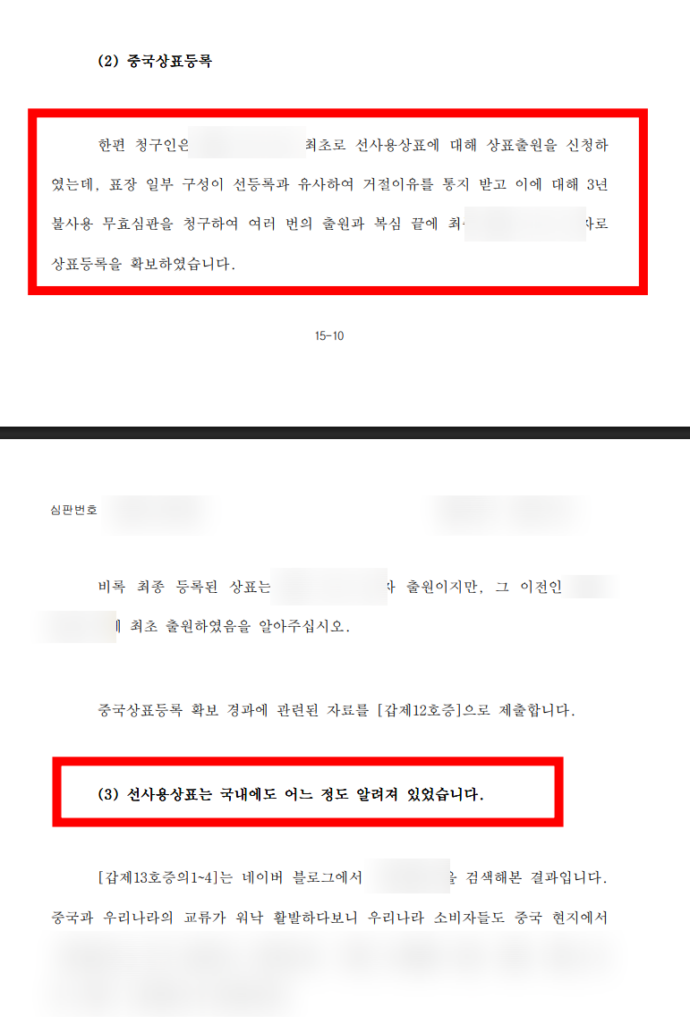
Comparison of CEO Ring’s lamb skewer franchise brand and Person C’s copied trademark 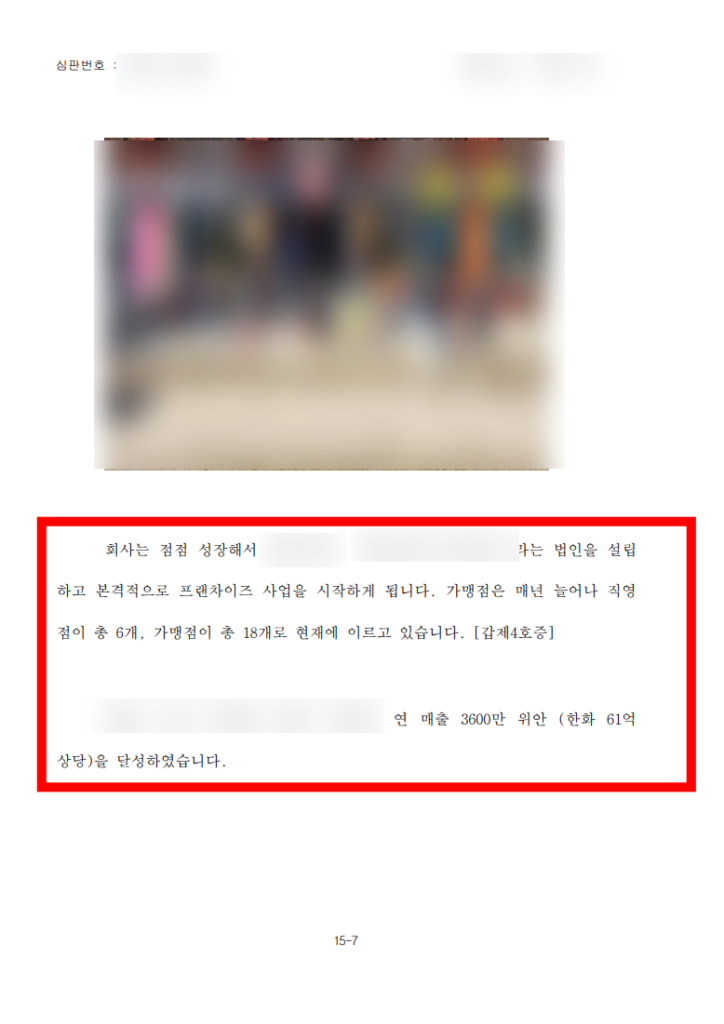
Evidence of the franchise’s reputation among Chinese expatriate and local consumers 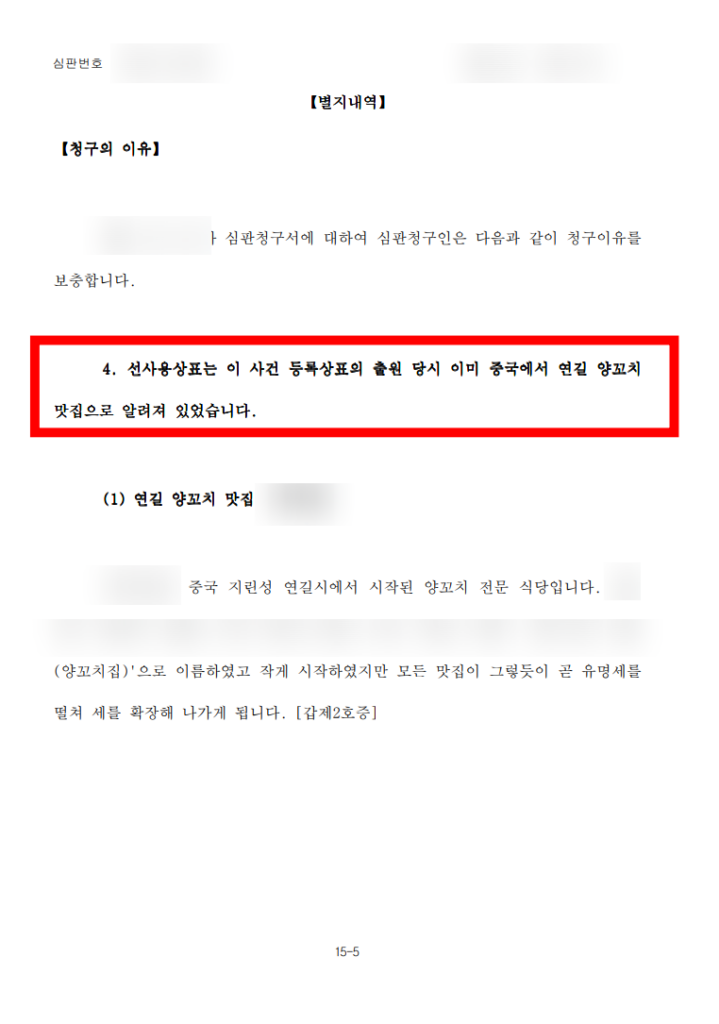
IP Trial and Appeal Board decision invalidating the copied lamb skewer franchise mark
The Result: The tribunal agreed that the squatter had “bad faith intentions.” The imitation trademark was Invalidated, and CEO Ring is now successfully expanding his franchise across Korea.
Conclusion: Evidence is Key
The common thread in all three cases? Evidence. Whether it is sales data, global rankings, or proof of bad intent, the success of an invalidation trial depends on how meticulously the evidence is prepared.
Trademark rights are the foundation of your business. If your brand has been stolen in Korea, do not accept it as a lost cause.
Sarang IP specializes in reclaiming what belongs to you.