The High-Stakes Mandate
In July 2021, we received an urgent directive from CEO Song of G Healthcare, a long-standing and valued partner of Sarang IP. The request was direct and unusually intense: “Get this registered, no matter the cost.”
The technology in question was a new urinary incontinence treatment device. While innovative, the invention was an improvement upon their own previously disclosed technology. Furthermore, the market was already crowded with similar solutions from competitors. From an initial patentability assessment, the chances of securing a broad patent seemed slim due to potential “lack of inventive step” issues.
However, for G Healthcare, this wasn’t just another patent application. It was a linchpin for their future business strategy, essential for securing investment and protecting a planned expansion into global markets. Failure was not an option.
The Cycle of Rejection
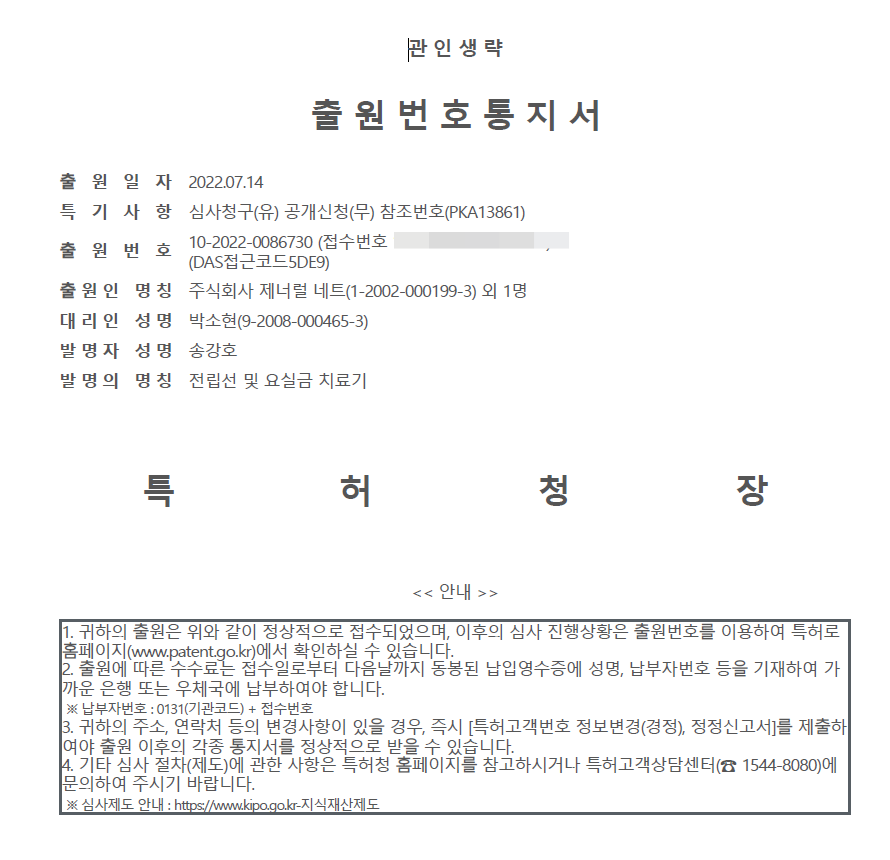
As anticipated, the road was difficult. The Ministry of Intellectual Property (MOIP; known as the Korean Intellectual Property Office, or KIPO, until October 2025) examiner issued a notice of rejection, citing two pieces of prior art and concluding the invention lacked the necessary inventive step.
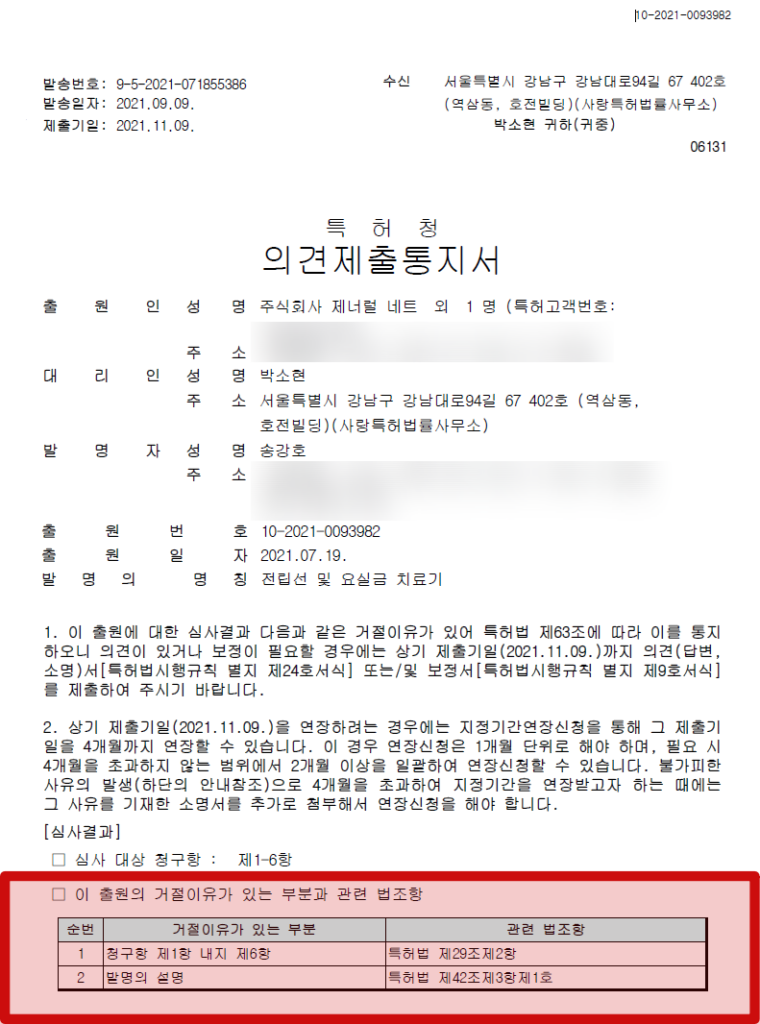
MOIP rejecting a urinary incontinence device patent for lack of inventive step over two prior art references 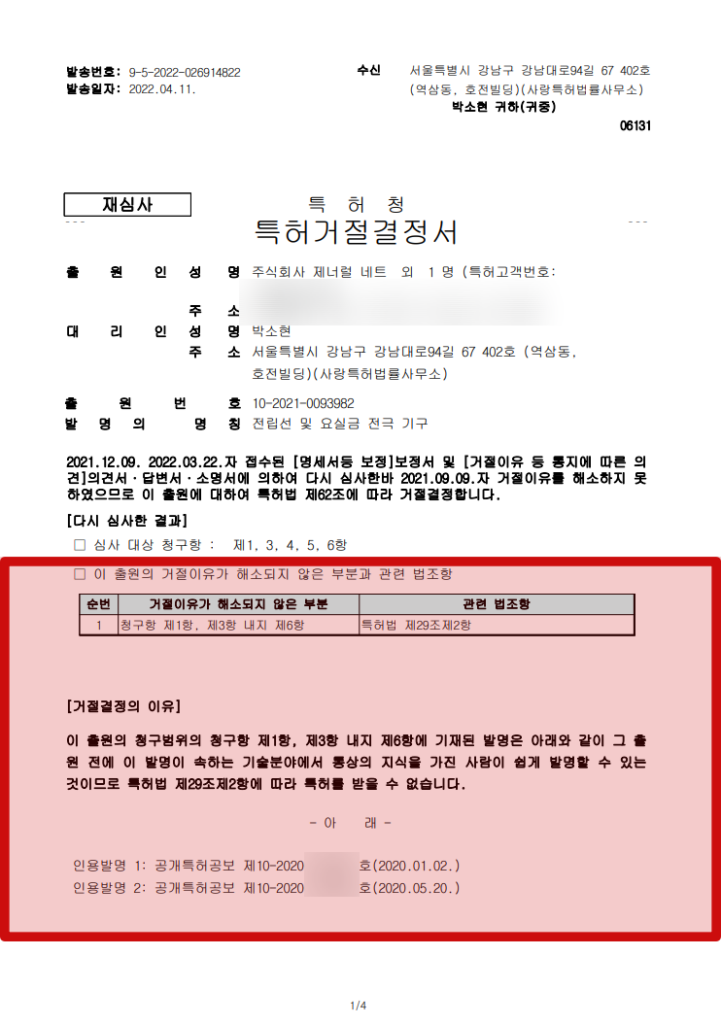
Sarang IP building systematic written arguments against the MOIP inventive-step patent rejection
We responded with our usual rigor, constructing a systematic and logical legal argument highlighting the distinct differences and advantages of G Healthcare’s device. The arguments were sound, but they were rejected. We filed a request for re-examination, hoping a second look would yield a different result. It did not. A final decision of rejection was issued.
At this stage, many companies—and many patent firms—would cut their losses and move on. But given CEO Song’s mandate, we knew we had to dig deeper.
Strategic Persistence: The Divisional Application
Refusing to accept defeat, we pivoted our strategy. We utilized a “divisional application” to carve out specific, novel aspects of the invention and try again. It was a calculated risk to keep the prosecution alive.
Disappointingly, the result was the same. The examiner again issued a notice of rejection based on a lack of inventive step. Even after submitting further written arguments, the application faced yet another final rejection. The situation looked bleak. We had exhausted standard written procedures.
Repeated final rejections after a divisional application leave written prosecution options exhausted 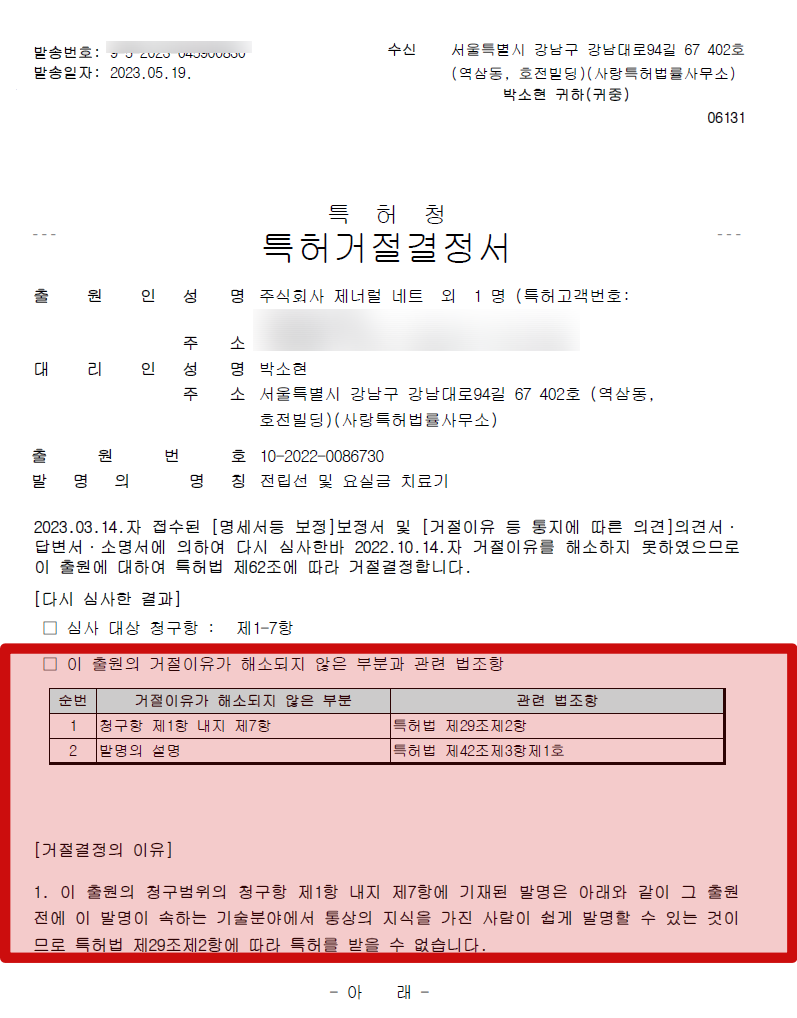
Pivoting to the human element after cold written legal briefs fail to convince the examiner
The Turning Point: The Human Element
Throughout this grueling process, G Healthcare never wavered in their trust in Sarang IP. Their belief fueled our determination to find a way through. We realized that cold, written legal briefs were failing to convey the true practical innovation of the device. We needed a human approach.
We proposed a final, decisive strategy: a face-to-face Examiner Interview at the MOIP headquarters in Daejeon.
A lead patent attorney from Sarang IP and the key technical specialist from G Healthcare traveled to Daejeon, carrying the actual physical prototype of the device. For over an hour, we didn’t just argue patent law; we demonstrated innovation.
We placed the device in front of the examiner. We showed exactly how it operated differently from the cited prior art. We passionately explained the nuances that couldn’t be captured in text diagrams—the specific engineering challenges overcome and the real-world benefits for patients. Furthermore, we emphasized G Healthcare’s concrete plans for exporting this technology, highlighting the economic importance of granting the patent.
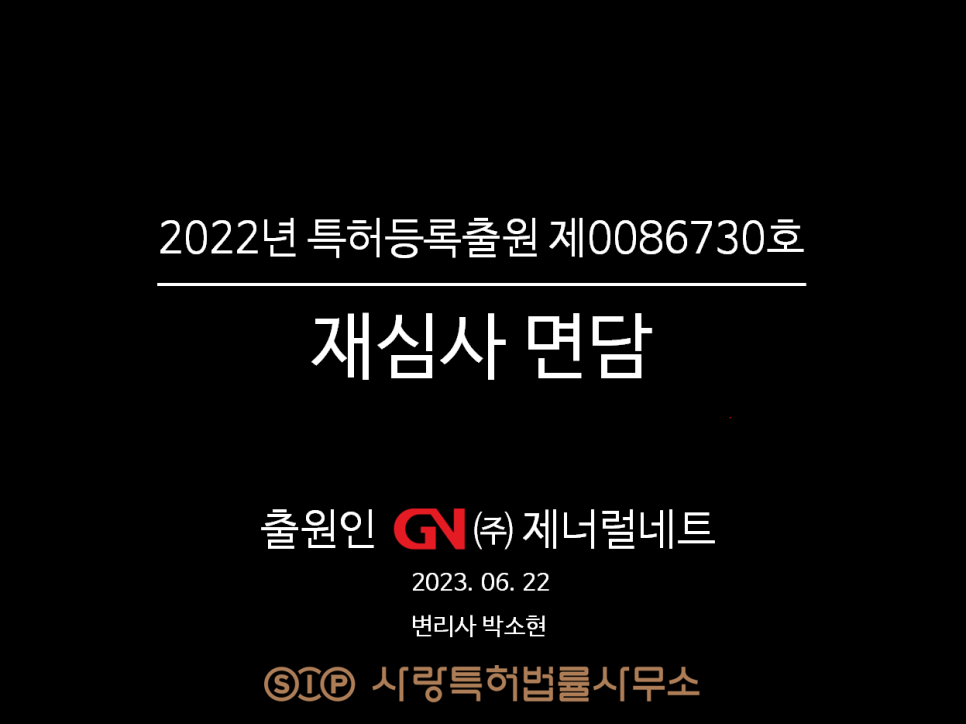
Examiner interview conveying the medical device’s engineering breakthroughs and patient benefits 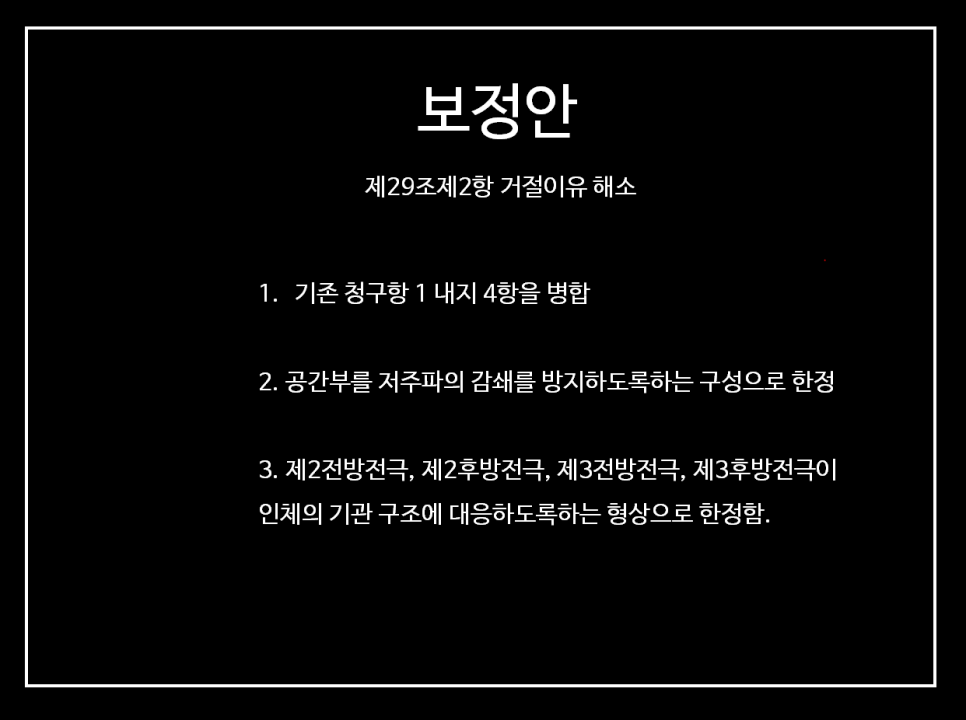
Presenting tangible evidence and export plans for the device during the MOIP examiner interview 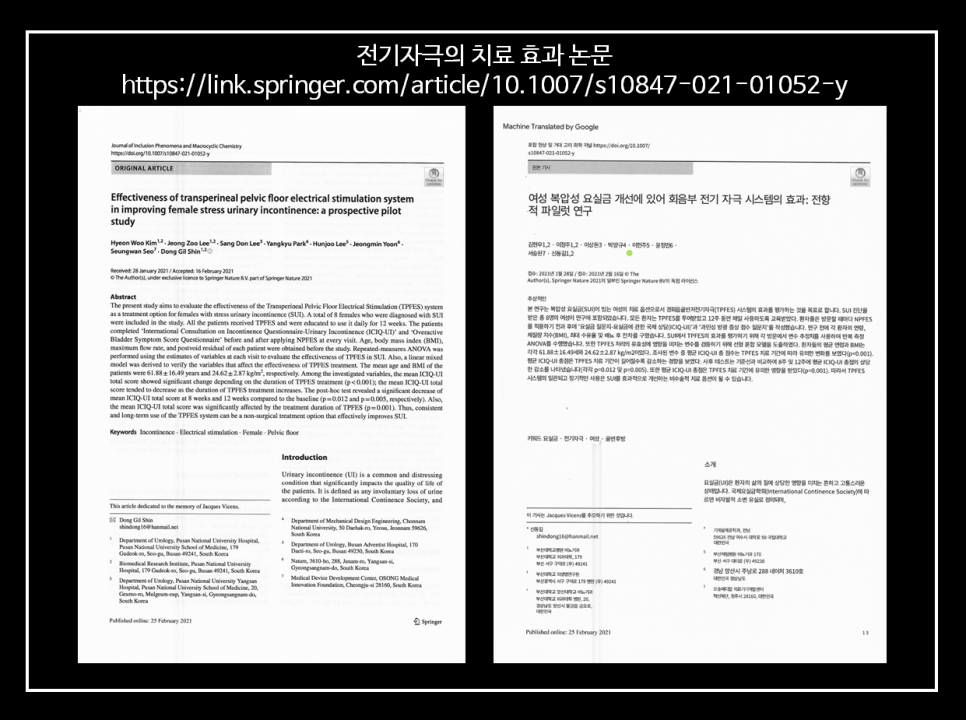
Hands-on demonstration breaking the deadlock that written patent arguments could not overcome
The Victory
The sincerity, desperation, and clear tangible evidence presented during that hour broke the deadlock. The ability to see and touch the innovation bridged the gap that written arguments could not.
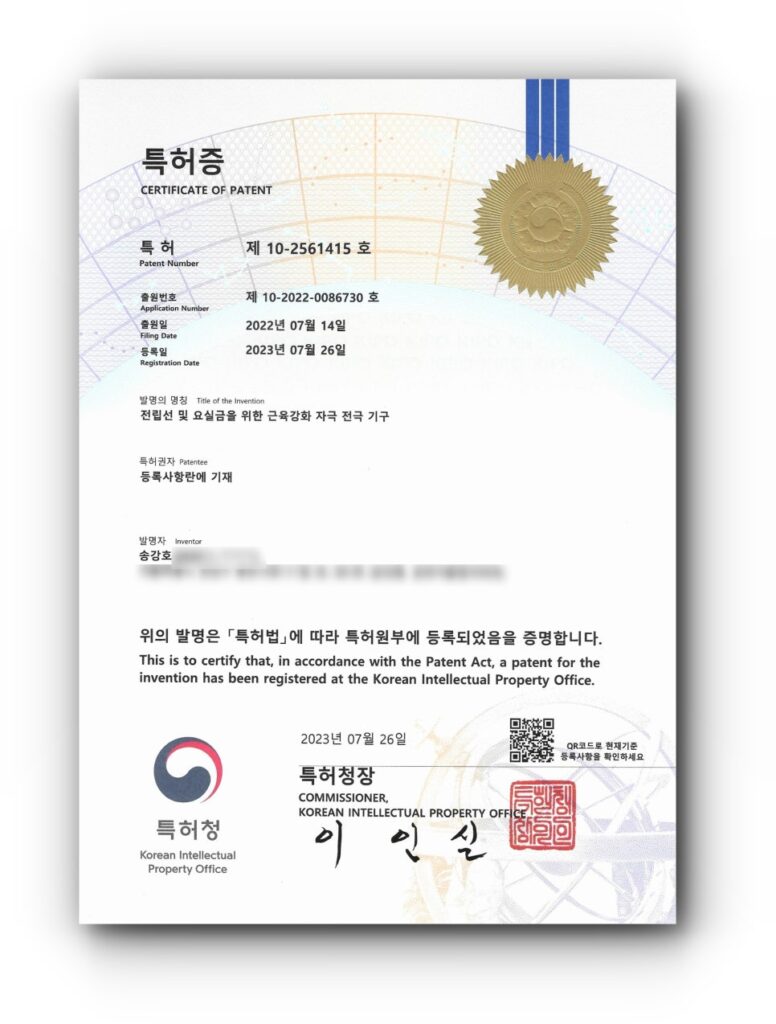
Shortly after the interview, the MOIP examiner reversed their decision. We finally received the notification we had fought so hard for: Patent Granted.
Conclusion
Intellectual property cases are rarely straightforward. Success often depends not just on knowing the law, but on deeply understanding the client’s unique situation and recognizing when to shift strategies.
This case serves as a powerful reminder that even the most difficult patent rejections can be overcome. It requires strategic patience, unwavering trust between client and agent, and sometimes, the willingness to go the extra mile—literally—to prove the value of an invention.